
Kingston’s approach to preparing for the impacts of climate change
Extreme heat wildfires, drought and water shortages
Urban areas like Kingston are particularly vulnerable to overheating, due to the urban heat island effect where build-up areas absorb and retain heat, amplifying temperatures even higher during hot weather. These conditions can pose serious health risks, particularly for older people, young children and those with existing health conditions.
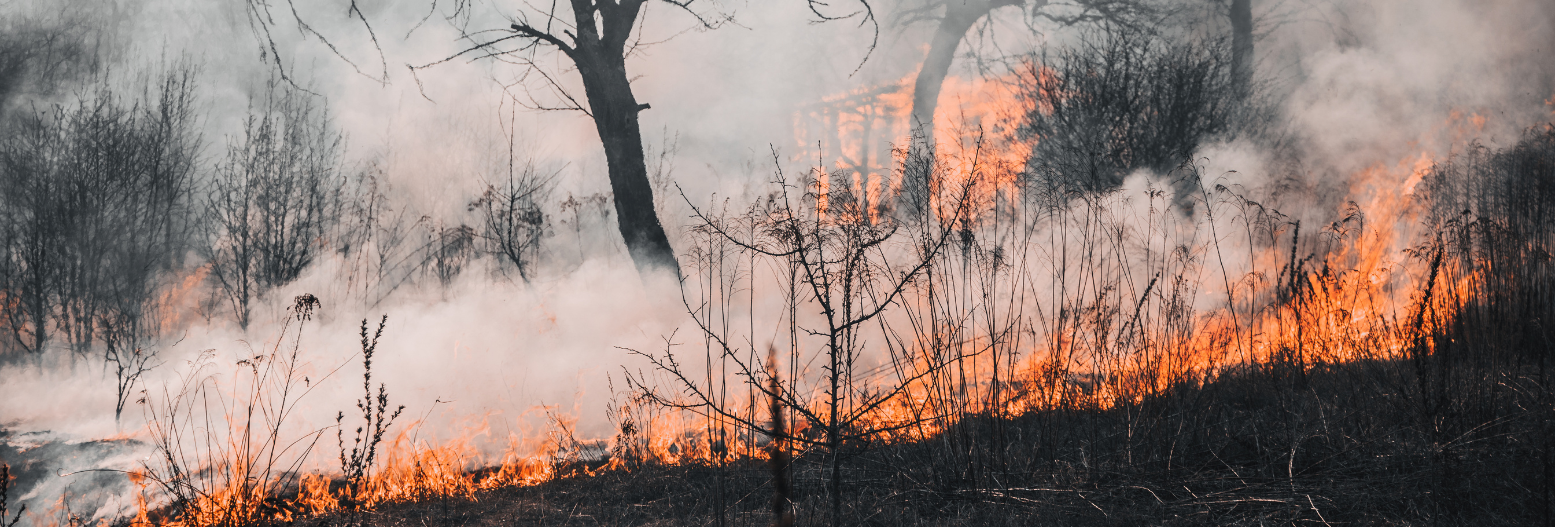
Heatwaves can increase pressure on health and social care services, and how well local buildings, infrastructure and public spaces cope. This growing risk highlights the need for more shaded areas, cooling green spaces and buildings designed to stay comfortable during hotter weather. These conditions also increase risk of wildfires in surrounding green spaces, which can damage habitats and threaten biodiversity. At the same time, prolonged dry periods increase the likelihood of drought and the potential for water shortages, impacting both local communities and the wider ecosystem.
What will Kingston do to prepare for the impacts of climate change?
Please review Target 2 and the suggested measures. Once you’ve reviewed these, please share your thoughts by answering the questions below.
Target 2: Protect our communities and our natural environment from heatwaves, wildfires, and help them cope with droughts and water shortages
- Use urban greening measures and increase canopy cover with a focus on areas of high climate risk
- Develop a programme of productive shading using green measures, canvas shades in town centres and canopies on bus shelters or other methods
- Develop a plan for cool spaces
- Promote use of passive and low carbon cooling in existing and new buildings
- Work with schools, care homes and other vulnerable settings on long term heat resilience
- Assess the need and triggers for further measures such as smart irrigation systems and new reservoirs
- Promote water efficiency with public, private and voluntary sectors, as well as residents
- Work collaboratively with emergency responders and other stakeholders to monitor wildfire risk and increase wildfire preparedness